Application
Modernization Services
Legacy application modernization for cloud-native
architectures and modern digital platforms.
Your Platform Shouldn't
Be Why Delivery Stalls
Modernization strategies unlocking speed, portability, and platform flexibility.
Legacy Applications in a Cloud-First World
Many enterprises continue to rely on legacy applications that were built for earlier technology environments. As organizations adopt cloud platforms, AI-driven services, and digital operating models, these systems often struggle to meet modern requirements for scalability, integration, and security. Technical debt accumulates, development velocity slows, integration becomes increasingly complex, and the cost of maintaining ageing infrastructure grows , while the risk of falling behind competitors investing in modern platforms increases with every passing quarter .
Hangul’s Approach to Application Modernization

Comprehensive Application Modernization Services
Hangul delivers integrated application modernization capabilities designed to help organizations build, modernize, and operate digital platforms that are scalable, secure, and aligned with business objectives.
1
Application Assessment
& Modernization Strategy
Establishing a clear picture of the existing application landscape before committing to a transformation approach.
- Legacy application portfolio assessment
- Application architecture and dependency analysis
- Technical debt identification and remediation planning
- Modernization strategy and transformation roadmaps
- Cloud readiness and platform suitability assessment
2
Application
Re-Architecture & Code Modernization
Restructuring monolithic applications into modular, service-based architectures that support flexibility and scale.
- Monolith to microservices architecture transformation
- Application refactoring and code modernization
- API-first architecture design and service enablement
- Containerization using Docker and Kubernetes
- Application performance optimization and scalability improvements
3
Cloud Migration &
Cloud-Native Engineering
- Application migration to AWS, Azure, and Google Cloud
- Cloud-native application architecture design
- Containerized application deployment
- Serverless architecture implementation
- Cloud performance optimization and cost management
4
DevOps & Continuous
Delivery Enablement
- DevOps maturity assessments and framework design
- CI/CD pipeline implementation and automation
- Automated testing and quality assurance integration
- Infrastructure-as-Code implementation
- Continuous monitoring and release management
Establishing a clear picture of the existing application landscape before committing to a transformation approach.
- Legacy application portfolio assessment
- Application architecture and dependency analysis
- Technical debt identification and remediation planning
- Modernization strategy and transformation roadmaps
- Cloud readiness and platform suitability assessment
Restructuring monolithic applications into modular, service-based architectures that support flexibility and scale.
- Monolith to microservices architecture transformation
- Application refactoring and code modernization
- API-first architecture design and service enablement
- Containerization using Docker and Kubernetes
- Application performance optimization and scalability improvements
Migrating and redesigning applications for cloud environments to improve scalability, resilience, and operational efficiency
- Application migration to AWS, Azure, and Google Cloud
- Cloud-native application architecture design
- Containerized application deployment
- Serverless architecture implementation
- Cloud performance optimization and cost management
Embedding automation and modern delivery practices into modernized application environments.
- DevOps maturity assessments and framework design
- CI/CD pipeline implementation and automation
- Automated testing and quality assurance integration
- Infrastructure-as-Code implementation
- Continuous monitoring and release management
What Effective Application
Modernization Delivers
Reduced Technical Debt
Structured modernization eliminates the accumulation of outdated dependencies, fragile integrations, and unsupported technologies that slow delivery.
Improved Scalability
Modern architectures built on cloud-native and microservices principles that scale with demand without requiring wholesale system replacement.
Faster Delivery Cycles
DevOps automation and modern deployment pipelines reduce release friction and enable more frequent, reliable updates to production environments.
Maintained Business Continuity
Phased modernization approaches that preserve operational stability throughout transformation, rather than requiring disruptive cutover events.
A Structured Delivery Framework
for Application Modernization
- DISCOVER
- DESIGN
- IMPLEMENT
- OPERATE & OPTIMIZE
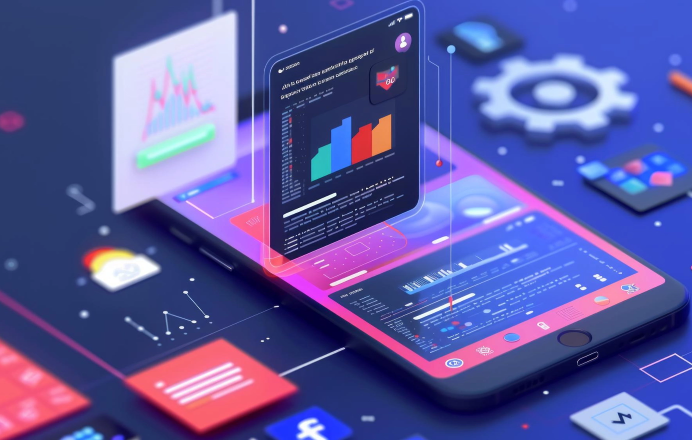
Assess the Application Landscape
We begin by developing a clear understanding of the organization’s application portfolio, technology dependencies, and modernization priorities, providing the foundation for a structured transformation plan.
- Application portfolio discovery and assessment
- Architecture and technology stack evaluation
- Integration and dependency mapping
- Technical debt identification and quantification
- Stakeholder workshops with business and technology teams

Define the Modernization Roadmap and Target Architecture
Using assessment findings, Hangul designs a modernization roadmap and target architecture aligned with future technology requirements and business objectives.
- Application modernization roadmap development
- Target architecture and cloud platform strategy
- Microservices and API architecture design
- Security and governance framework alignment
- DevOps and automation strategy definition

Execute Modernization Initiatives
Modernization is executed using engineering best practices, automation-driven delivery frameworks, and phased approaches designed to maintain business continuity throughout.
- Application refactoring and re-architecture
- Cloud migration and cloud-native development
- Containerization and microservices implementation
- CI/CD pipeline implementation and DevOps enablement
- System integration and performance optimization
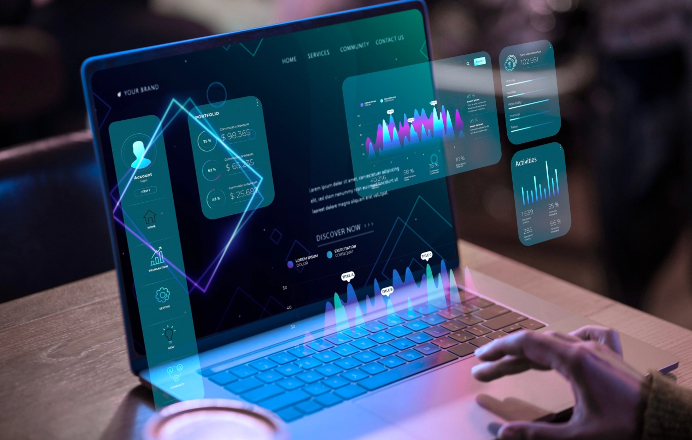
Monitor, Optimize, and Continue Evolving
Following implementation, Hangul supports ongoing optimization to ensure modernized applications continue to perform, scale, and align with evolving business requirements.
- Continuous application monitoring and performance tuning
- Scalability improvements and architecture evolution
- DevOps maturity enhancement
- Cloud governance and cost optimization
- Ongoing modernization for remaining legacy components
Modernize your
Application Landscape
Connect with Hangul to assess your current application portfolio, identify modernization priorities, and define a transformation roadmap that delivers measurable improvement at each stage.
FAQs

What is application
modernization?
What does a structured application modernization program involve?
Do all legacy applications need to be rebuilt?
What does migrating a legacy application to the cloud involve?
How long does an application modernization program typically take?
Application modernization is the process of transforming legacy applications — systems built for earlier technology environments — Application modernization is the process of transforming legacy systems to meet modern requirements for scalability, integration, security, and cloud compatibility. It spans refactoring, re-platforming, containerization, and microservices migration — eliminating the technical debt and scaling limitations that accumulate when systems built for earlier environments are asked to support modern digital operations.