Agentic AI Solutions
Autonomous AI agents built for enterprise scale and control.
From AI Demo to AI Ops:
The Gap Is Architecture
AI agents built for scale with governance and observability.
When AI Moves from Answering to Acting, the Stakes Change Entirely
Most organizations exploring agentic AI encounter the same inflection point: the technology can clearly reduce manual effort and accelerate decision cycles, but deploying it reliably in enterprise environments is harder than the demos suggest. Agents interact with live systems, execute multi-step workflows autonomously, and operate across tool boundaries. Without careful architecture, that autonomy introduces errors, data handling risks, and governance gaps that are difficult to detect until they surface in production. The challenge is not capability; it is control.
Hangul's Approach to Agentic AI
Hangul designs and builds agentic AI systems grounded in production reliability, security, and measurable business value. Our engagements span the full lifecycle, right from use case definition and agent architecture through integration, testing, and governed deployment, with observability and control mechanisms built in from the start. We work across major large language model providers, orchestration frameworks, and enterprise tooling, and we apply the same security and governance discipline to AI agent design that we apply across our broader cybersecurity and engineering practice.

Comprehensive Agentic AI Services
Hangul delivers integrated agentic AI capabilities spanning design, development, integration, and governance. Our services are structured to move organizations from pilot to production with confidence, building agent systems that are reliable, secure, and aligned to real operational requirements.
1
Agent Design & Architecture
Structured agent design tailored to business workflows and operational constraints.
- Use case scoping, feasibility assessment, and ROI framing
- Single-agent and multi-agent system architecture
- Tool selection, model selection, and orchestration framework design
- Context management and memory strategy for stateful agents
- Latency, cost, and reliability trade-off analysis
2
Multi-Agent Orchestration
- Hierarchical and collaborative multi-agent design patterns
- Task decomposition, delegation, and inter-agent communication
- State management across distributed agent workflows
- Failure handling, retry logic, and graceful degradation
- Orchestration across LangGraph, AutoGen, CrewAI, and custom frameworks
3
Enterprise System Integration
- API integration with CRM, ERP, ITSM, and productivity platforms
- Secure tool-calling and function execution within defined boundaries
- Database and document store access with appropriate access controls
- Event-driven agent triggers from enterprise messaging and workflow systems
- Authentication, credential management, and least-privilege tooling
4
RAG & Knowledge Integration
- Knowledge base design, chunking strategy, and vector store selection
- Hybrid search combining semantic and keyword retrieval
- Document ingestion pipelines with metadata management
- Re-ranking, relevance tuning, and retrieval quality evaluation
- Access-controlled retrieval for multi-tenant and sensitive data environments
5
Agent Governance
& Observability
- Trace logging and audit trails for all agent actions and decisions
- Real-time monitoring of agent performance, cost, and error rates
- Human-in-the-loop checkpoints for high-stakes or irreversible actions
- Guardrails and input/output filtering to constrain agent scope
- Dashboards and alerting for operational teams
6
Agent Security &
Compliance
- Prompt injection detection and mitigation controls
- Data handling policies aligned to GDPR, NDMO, and sector-specific requirements
- Role-based access controls governing agent permissions and tool access
- Secure credential storage and API key management
- Compliance documentation and risk assessment for AI governance frameworks
Structured agent design tailored to business workflows and operational constraints.
- Use case scoping, feasibility assessment, and ROI framing
- Single-agent and multi-agent system architecture
- Tool selection, model selection, and orchestration framework design
- Context management and memory strategy for stateful agents
- Latency, cost, and reliability trade-off analysis
oordinated agent networks that handle complex, branching workflows at scale.
- Hierarchical and collaborative multi-agent design patterns
- Task decomposition, delegation, and inter-agent communication
- State management across distributed agent workflows
- Failure handling, retry logic, and graceful degradation
- Orchestration across LangGraph, AutoGen, CrewAI, and custom frameworks
Agent connectivity to the systems, data sources, and APIs that drive business operations.
- API integration with CRM, ERP, ITSM, and productivity platforms
- Secure tool-calling and function execution within defined boundaries
- Database and document store access with appropriate access controls
- Event-driven agent triggers from enterprise messaging and workflow systems
- Authentication, credential management, and least-privilege tooling
Retrieval-augmented generation pipelines that ground agents in accurate, current information.
- Knowledge base design, chunking strategy, and vector store selection
- Hybrid search combining semantic and keyword retrieval
- Document ingestion pipelines with metadata management
- Re-ranking, relevance tuning, and retrieval quality evaluation
- Access-controlled retrieval for multi-tenant and sensitive data environments
Monitoring, logging, and control frameworks that make agent behavior auditable and manageable.
- Trace logging and audit trails for all agent actions and decisions
- Real-time monitoring of agent performance, cost, and error rates
- Human-in-the-loop checkpoints for high-stakes or irreversible actions
- Guardrails and input/output filtering to constrain agent scope
- Dashboards and alerting for operational teams
Security controls and compliance integration for enterprise AI deployments.
- Prompt injection detection and mitigation controls
- Data handling policies aligned to GDPR, NDMO, and sector-specific requirements
- Role-based access controls governing agent permissions and tool access
- Secure credential storage and API key management
- Compliance documentation and risk assessment for AI governance frameworks
What Effective Agentic
AI Solutions Deliver
Operational Scale Without Headcount
Agentic AI systems handle high-volume, rule-bound workflows autonomously, enabling organizations to expand capacity without proportional increases in staffing.
Faster, More Consistent Execution
Agents execute multi-step processes with speed and consistency that manual workflows cannot match, reducing process cycle times and minimizing human error in repetitive tasks.
Governance-
First
Architecture
Every agent system Hangul builds includes audit trails, access controls, and human-in-the-loop checkpoints, giving organizations the oversight they need to deploy AI in regulated and high-stakes environments.
Built for Enterprise Environments
Hangul's agentic solutions integrate with existing enterprise infrastructure, apply appropriate security controls, and are designed to operate reliably across complex, heterogeneous technology environments.
A Structured Path from Use Case to
Production Agent
- DEFINE
- BUILD
- DEPLOY
- GOVERN

Scope the Use Case and Establish the Architecture
We identify the highest-value agentic use cases, define agent operation boundaries, and the system architecture for reliable production deployment.
- Current-state workflow analysis and automation opportunity assessment
- Use case prioritization based on business value, technical feasibility, and risk
- Agent architecture design: scope, tools, models, memory, and orchestration approach
- Data source mapping and integration requirements definition

Develop, Integrate, and Test the Agent System
We build the agent system to specification – developing core agent logic, integrating with enterprise systems, and conducting structured testing to validate reliability and security before deployment.
- Agent development and tool-calling implementation
- RAG pipeline build, knowledge base ingestion, and retrieval tuning
- Enterprise system integration and API connection
- Security controls, guardrails, and access policy implementation
- Functional testing, adversarial testing, and edge case evaluation

Roll Out in a Controlled, Observable Environment
Production deployment is staged and monitored, with observability infrastructure in place from day one.
- Phased rollout with parallel running against existing processes where appropriate
- Observability stack deployment: trace logging, dashboards, and alerting
- Human-in-the-loop configuration for high-stakes decision points
- User training and operational handover documentation
- Performance baseline establishment and SLA definition
Monitor, Optimize, and Continuously Improve
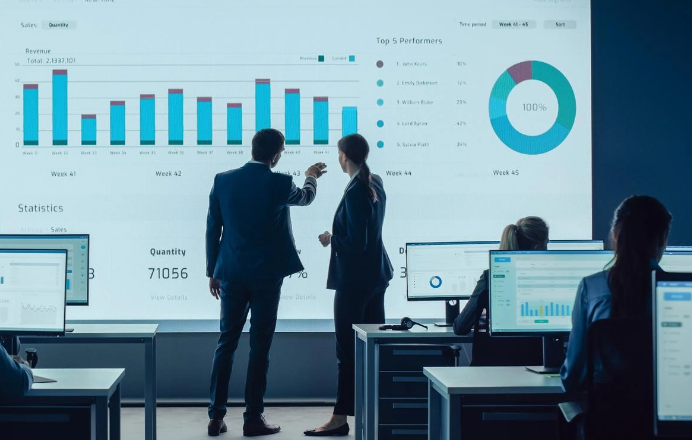
Agentic AI systems require ongoing oversight. Hangul supports post-deployment governance through monitoring, periodic review, model updates, and systematic improvement based on operational data.
- Ongoing performance monitoring and cost management
- Periodic review of agent outputs and governance compliance
- Detection rule and guardrail updates based on observed behaviour
- Model refresh and capability updates as LLM providers release improvements
Build Agent Capabilities That Work in Production
Connect with Hangul to assess your agentic AI readiness, identify high-value automation opportunities, and design an agent architecture built for the reliability, security, and governance your organization requires.
FAQs

What is an AI agent, and how is it different from a standard AI assistant?
What kinds of workflows are well-suited to agentic AI?
Which LLM providers and orchestration frameworks are typically used for enterprise agentic AI?
How should security and data governance be addressed in agentic AI deployments?
Can agentic AI be deployed in a private or on-premises environment?
How is reliability ensured for AI agents operating in production?
FAQs
Yes. Agentic AI can be designed for private, on-premises, or hybrid deployment depending on data residency and security requirements — using locally hosted LLMs, private cloud deployments, or hybrid architectures. For organizations under Saudi Arabian, UAE, or other regional data residency requirements, compliant deployment architectures are achievable and increasingly well-supported by major model providers.